
Checkmate wins the game; stalemate is a draw. Both happen when a player cannot make a legal move, but one ends in victory and the other splits the point — and confusing them costs beginners full wins.
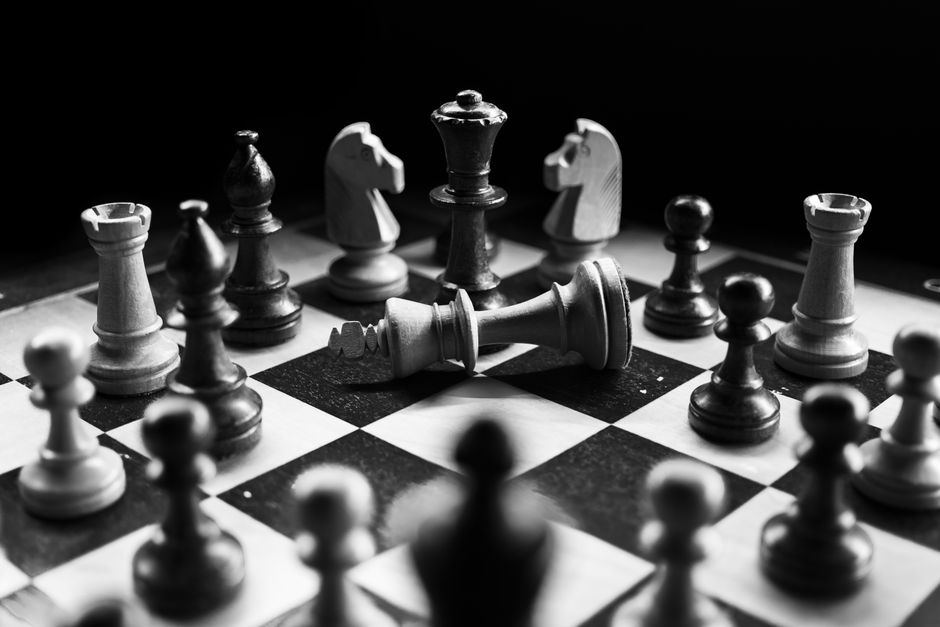
Checkmate: the game is over
Checkmate happens when a king is in check (under attack) and there is no legal way to escape. The player is not captured — the game simply ends the moment escape is impossible.
To be checkmate, all three must be true at once:
- The king is in check.
- It cannot move to a safe square.
- The check cannot be blocked or the attacker captured.
When those line up, the game is won immediately.
Stalemate: an accidental draw
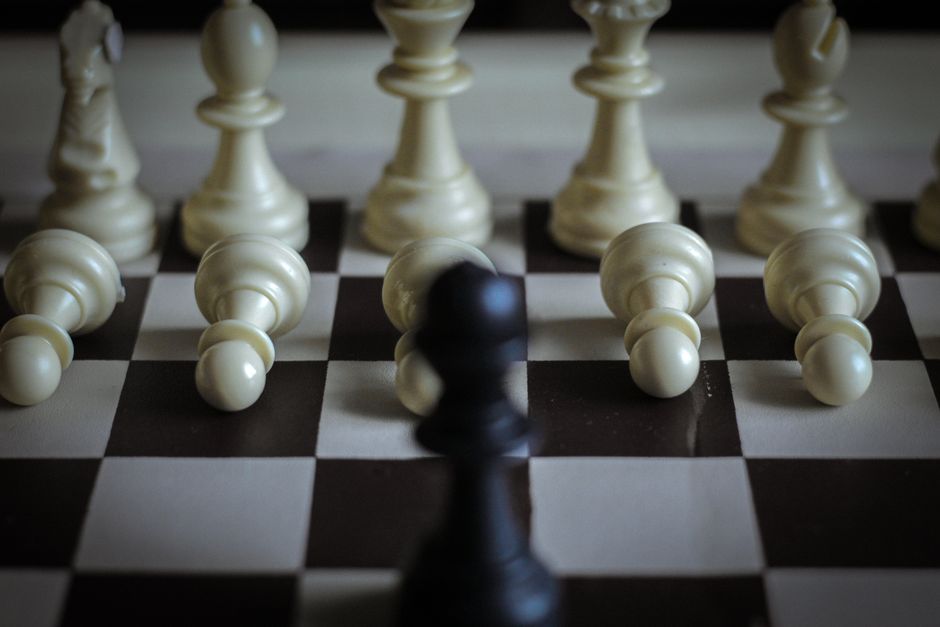
Stalemate happens when a player has no legal move but their king is not in check. Because you cannot skip a turn in chess, the game ends in a draw.
| Situation | King in check? | Legal moves? | Result |
|---|---|---|---|
| Checkmate | Yes | No | Win/Loss |
| Stalemate | No | No | Draw |
The difference is only whether the king is currently under attack.
Why stalemate matters so much
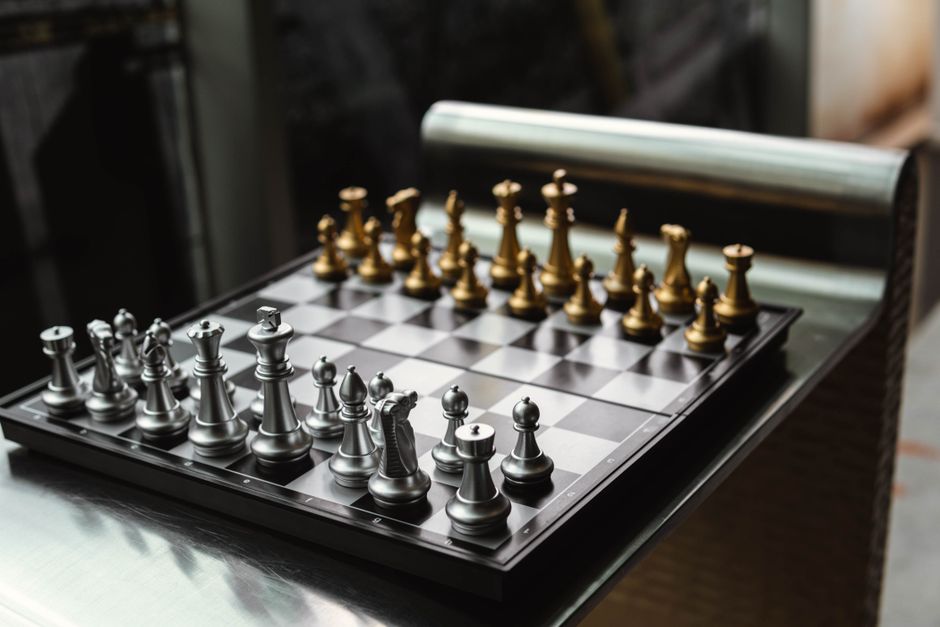
Stalemate is the classic way to throw away a winning game. A player who is far ahead can accidentally leave the opponent with no legal moves — turning a win into a draw.
Tip: when you are winning big, give the enemy king a little room. Before every move, check whether your opponent will have any legal reply. If not and they are not in check, you are about to stalemate.
How to avoid it
In a winning endgame, bring your king up, cut off escape squares slowly, and always ask "does my opponent still have a move?" Deliver checkmate by trapping the king against the edge — not by removing every square while forgetting the check. Master that, and stalemate will only ever work in your favor, saving lost positions instead of ruining won ones.