
En passant is a special pawn capture that lets you take an enemy pawn as if it had only moved one square, even though it moved two. It is completely legal, often overlooked, and it surprises new players the first time it happens to them.

What en passant actually is
When a pawn makes its two-square first move and lands right beside one of your pawns, you may capture it "in passing" — as though it had moved only one square. Your pawn moves diagonally to the empty square the enemy pawn skipped over, and the enemy pawn is removed.
The name is French for "in passing," which describes exactly what happens.
The exact conditions
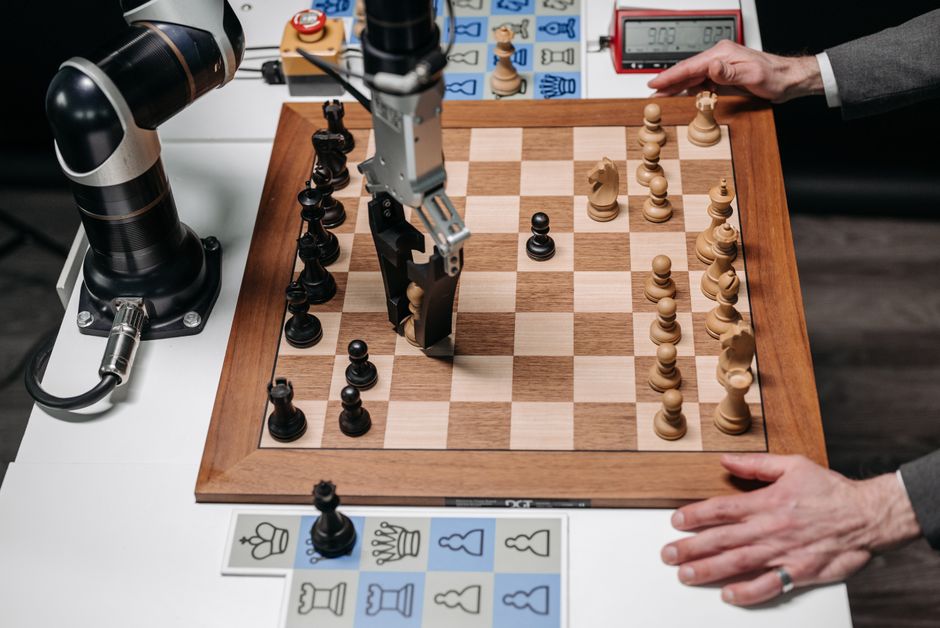
En passant only works when all of these are true:
- Your pawn is on its fifth rank (the fifth row from your side).
- An enemy pawn moves two squares and lands directly beside yours.
- You capture immediately — on your very next move, or you lose the right forever.
That third condition is the one people forget. If you wait even one move, the chance is gone.
Why the rule exists
The two-square pawn move was added centuries ago to speed up the opening. But it created a loophole: a pawn could dash past an enemy pawn’s control without being challenged. En passant closes that loophole, keeping pawn play fair.
Warning: en passant is legal in every standard game, including online and tournament play. If an app lets you do it, it is a real move — not a bug.
A quick example
Your pawn sits on e5. Your opponent plays d7 to d5, landing beside your pawn. You may play exd6 — your pawn moves to d6, and the d5 pawn is captured, even though nothing was standing on d6.
Why it matters
En passant rarely decides a game, but knowing it prevents two mistakes: missing a free capture, and being shocked when an opponent uses it on you. Practice it once against an engine so the pattern sticks, and it will never confuse you again.