
Every chess piece moves in its own way, and learning those six patterns is the first real step to playing. Once you know how the pawn, knight, bishop, rook, queen, and king move, you can play a full game the same day.
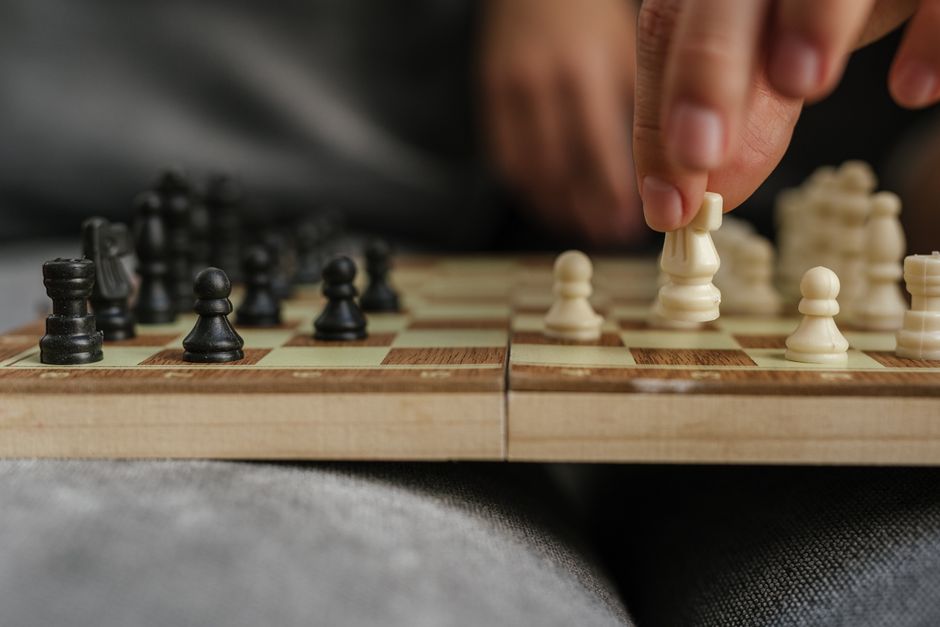
The pawn
The pawn moves straight forward one square, but captures diagonally one square. On its very first move, a pawn may advance two squares.
- It can never move backward.
- It captures only diagonally, never straight ahead.
- Reach the far side and it promotes, usually to a queen.
The pawn is the only piece that moves and captures differently — that trips up almost every beginner.
The knight
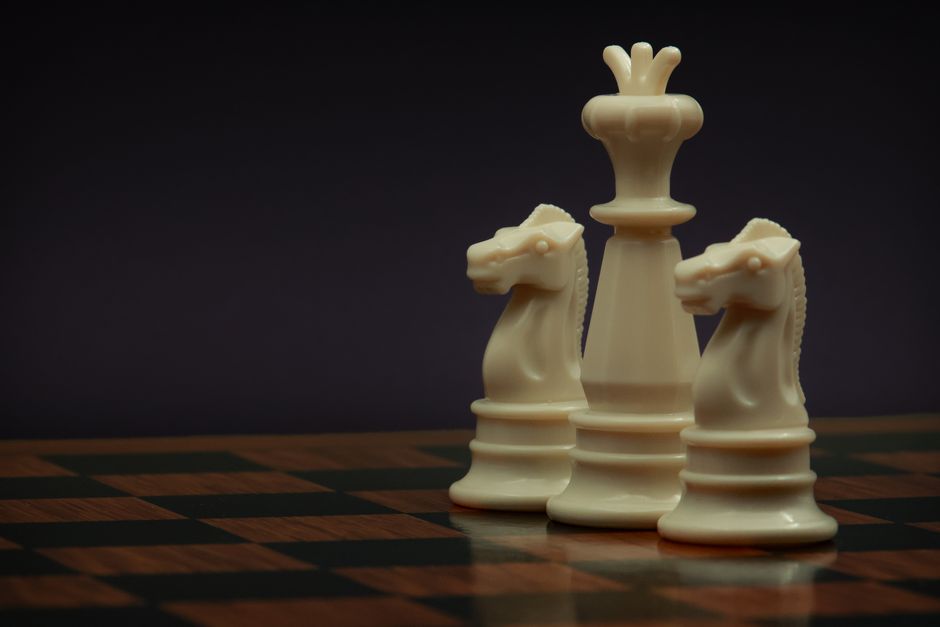
The knight moves in an L-shape: two squares in one direction, then one square at a right angle. It is the only piece that jumps over others.
Because of its odd path, a knight on an empty board always lands on the opposite color square from where it started.
The bishop, rook, and queen
These three are the "sliding" pieces — they move as far as the path is clear.
| Piece | Moves | Range |
|---|---|---|
| Bishop | Diagonally | Any distance |
| Rook | Straight (ranks/files) | Any distance |
| Queen | Straight and diagonal | Any distance |
The queen combines rook and bishop, which makes it the most powerful piece on the board.
Tip: a bishop stays on one color for the whole game. That is why the two bishops working together can cover the entire board.
The king
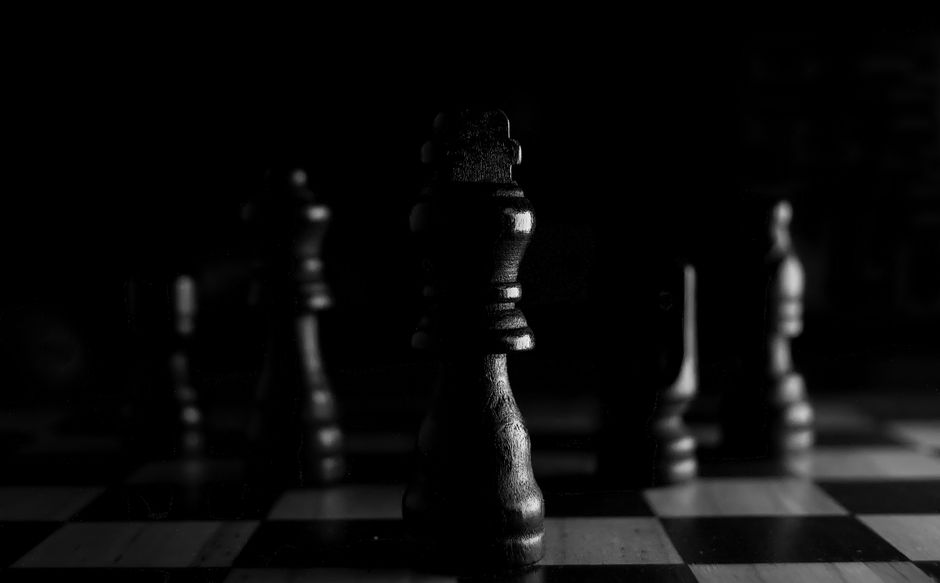
The king moves one square in any direction. It is the most important piece — losing it ends the game — but also one of the weakest movers.
The king can never move into check (a square attacked by an enemy piece), and two kings can never stand next to each other.
Putting it together
Set up a board and move each piece around an empty board until the patterns feel natural. Then try a game. You will forget the two-square pawn jump or a knight’s L a few times — everyone does — but after a handful of games these movements become automatic, and you can focus on strategy instead of rules.