
Checkmate ends the game as a win: the king is under attack and has no legal way to escape. Stalemate ends the game as a draw: the player to move has no legal move at all, but the king is not under attack. The single difference is whether the king is in check.
Mixing these up is the most expensive beginner mistake there is, because a stalemate throws away a winning position and hands the opponent half a point. Learn the difference cold and you will stop drawing games you should win.
Checkmate: Winning the Game
Checkmate is the goal of chess. A checkmate occurs when the king is in check and there is no legal move to get out of it — the player who delivers it wins immediately.
When a king is in check, it is under direct attack from an enemy piece. The defender must respond in one of three ways, and if none is possible, it is checkmate.
There are exactly three legal answers to a check:
- Move the king to a safe square not attacked by any enemy piece.
- Block the check by placing a piece between the king and the attacker, if the attacker is a rook, bishop, or queen.
- Capture the attacking piece with the king or another piece.
If the defender can do none of these, the king is checkmated and the game is over. No piece is actually captured — the game ends the moment escape becomes impossible.
Stalemate: A Surprise Draw
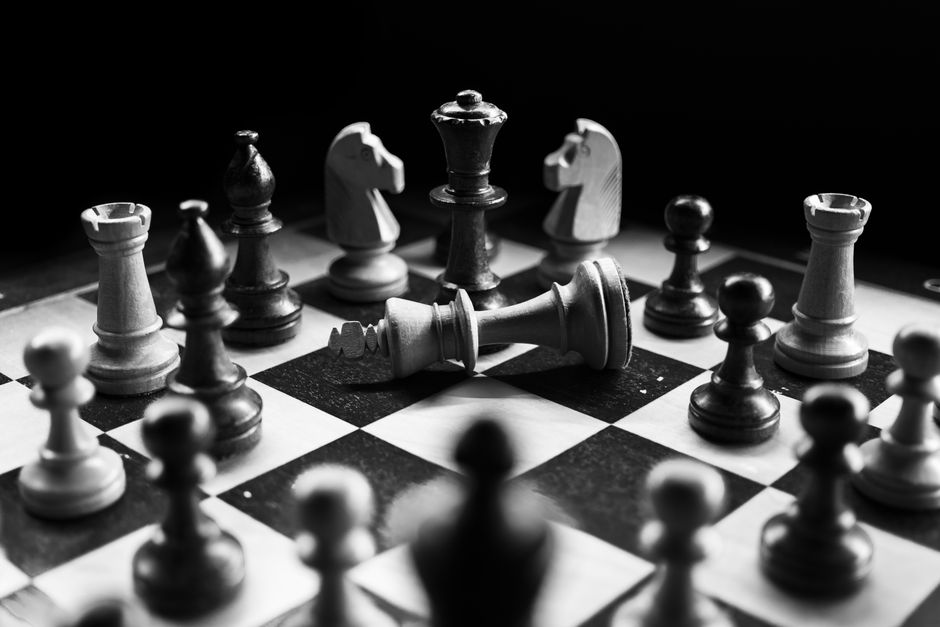
Stalemate looks similar but produces the opposite result. A stalemate happens when the player to move has no legal move, yet their king is not in check — and the game is immediately declared a draw.
In a stalemate the king is perfectly safe from attack, but every move it could make would put it in check, and no other piece has a legal move either. Because the rules forbid moving into check and forbid passing your turn, the player is simply stuck.
Stalemate most often appears in endgames when one side has overwhelming material. The stronger side gets careless, boxes in the lone enemy king, and leaves it with no legal move — turning a certain win into a draw.
It also appears when a player has only a king left and no moves. Because the king cannot step into check and cannot pass its turn, a lone king surrounded by controlled squares is stalemated even though nothing is attacking it directly.
The Core Difference at a Glance
This table lays out the two side by side so the distinction is unmistakable.
| Feature | Checkmate | Stalemate |
|---|---|---|
| King in check? | Yes | No |
| Legal moves available? | No | No |
| Result | The checkmating side wins | Draw for both |
| Typical cause | A forcing attack on the king | Overkill that traps the king safely |
| Points scored | 1 for the winner | Half a point each |
Read the top two rows together and the whole rule clicks: both positions share "no legal moves," and the only thing that separates a win from a draw is whether the king is currently in check.
Why Beginners Confuse Them
The confusion is natural because both situations leave a player unable to move. The trap is assuming that trapping the king always means winning — it does not.
New players frequently reach a position with a king and queen against a lone king, then push the enemy king into a corner so aggressively that it has no squares left. If the king is not in check at that moment, the result is stalemate, and a winning game becomes a draw.
When you are far ahead, slow down near the finish. Before each move, ask whether the enemy king will still have a legal move after you play. If it will not and it is not in check, you are about to stalemate.
How to Avoid Accidental Stalemate
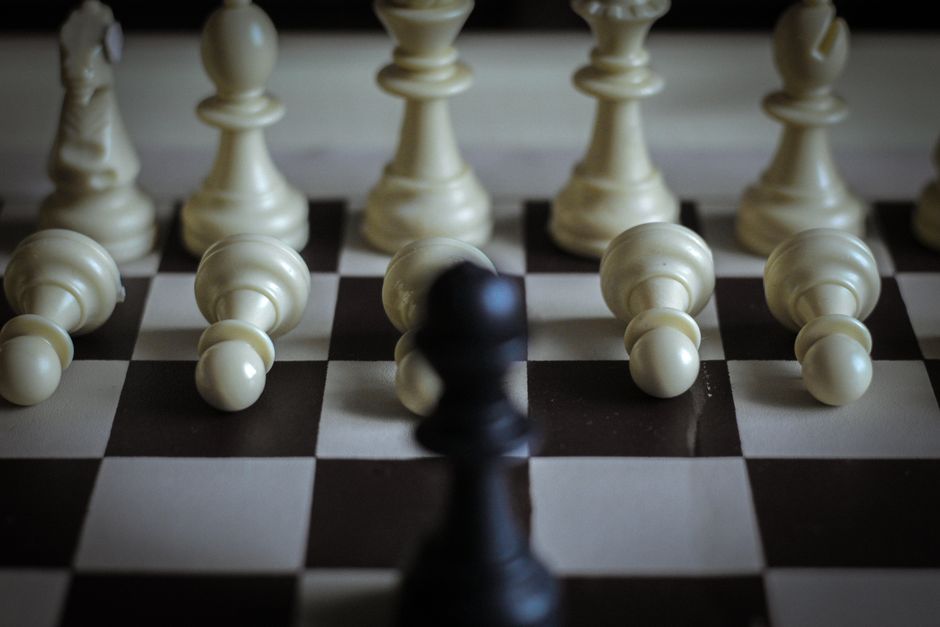
Avoiding stalemate is a matter of technique, and a few habits make it nearly impossible to blunder into.
Leave the enemy king an escape square until you are ready to deliver checkmate. Do not seal off every square at once; herd the king toward the edge while keeping one flight square open.
Use your king to support the checkmate. In a king-and-queen finish, bring your king close so the queen can deliver mate rather than merely smothering the enemy king from a distance.
Check the position before every move in a winning endgame. A five-second scan for enemy legal moves prevents the classic queen-stalemate that ruins so many won games.
Stalemate as a Defensive Weapon
Here is the flip side: if you are losing badly, stalemate can save you. A player in a hopeless position can sometimes maneuver to eliminate all their own legal moves, forcing a stalemate and stealing a draw.
This makes stalemate one of the great defensive resources in chess. Down to a lone king, you should actively look for ways to get stalemated rather than resigning, because a careless opponent may hand you half a point. Steering your king into a corner where its only moves would be into check is a classic drawing trick against an impatient attacker.
Perpetual check is a related lifeline. If your losing position still has a queen or rook that can check the enemy king forever, you may repeat the position and claim a draw before your opponent ever converts the win.
So the same rule cuts both ways. When winning, avoid giving stalemate; when losing, hunt for it.
Practice Both Endings
Set up a king and queen against a lone king and practice delivering checkmate cleanly, keeping the enemy king a flight square until the final blow. Then deliberately create a stalemate so you recognize the pattern in your own games.
Once you can reliably tell the two apart in the moment, you will convert winning positions that beginners routinely draw. Checkmate wins, stalemate draws, and the only difference is the check — commit that to memory and one whole category of blunders disappears from your play.